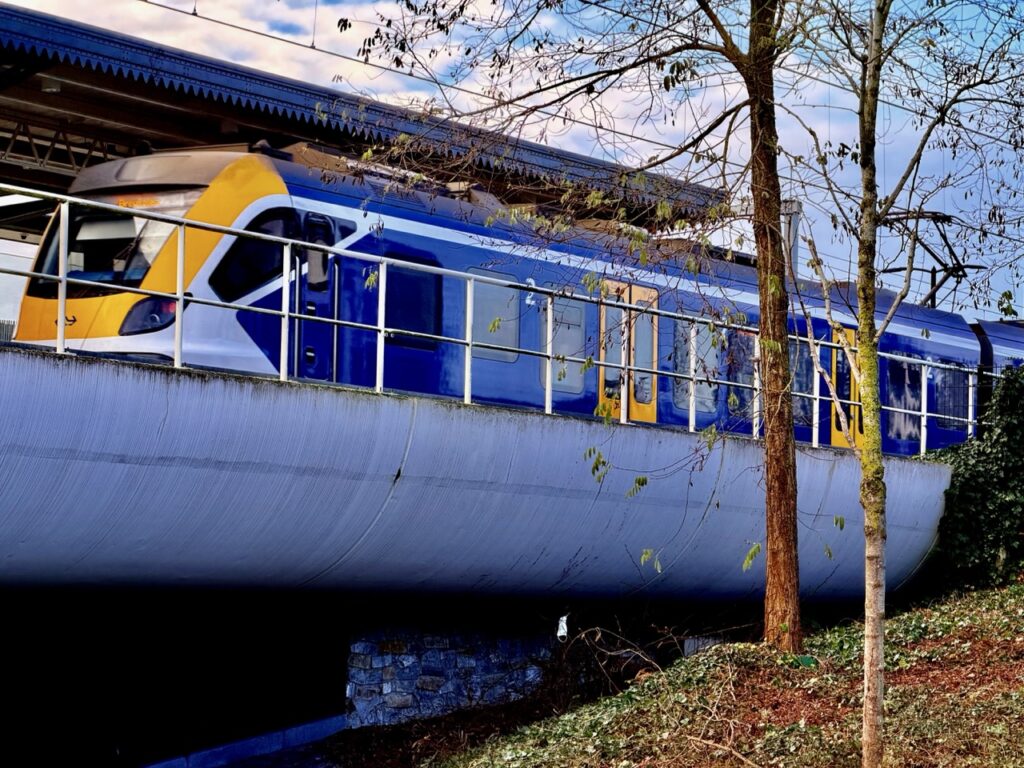
Quietly, this week – NS, the Dutch national railway operator, confirmed it’s introducing line numbers across its entire network from the 2027 timetable. Every Intercity (IC) and Sprinter (S) service will get a fixed number – the IC6 between Leeuwarden and The Hague, the S75 between Rotterdam and Uitgeest – on top of the sub-brands we already know.
NS and the passenger lobby group Rover have wanted this for a while, and the pitch is that when there’s disruption, “the IC17 is cancelled” is a lot easier to communicate and act on than reciting an origin and destination and hoping the passenger knows which train that means. It’s the same logic as a bus or tram route number, which has been in existence in the Netherlands for some time.
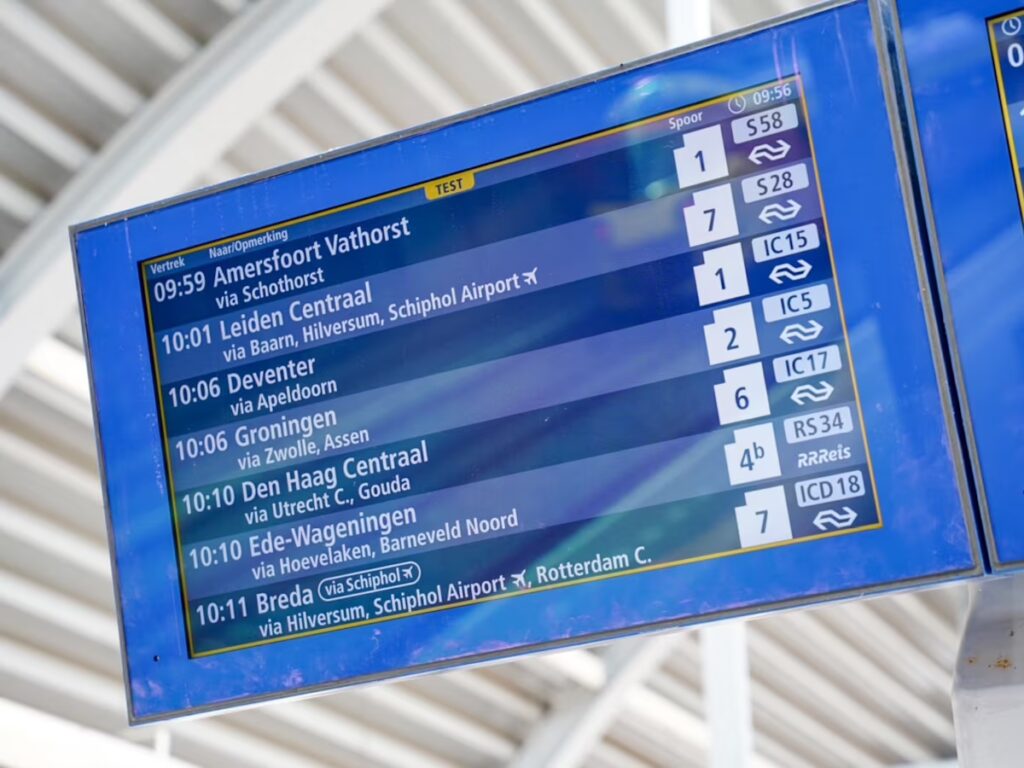
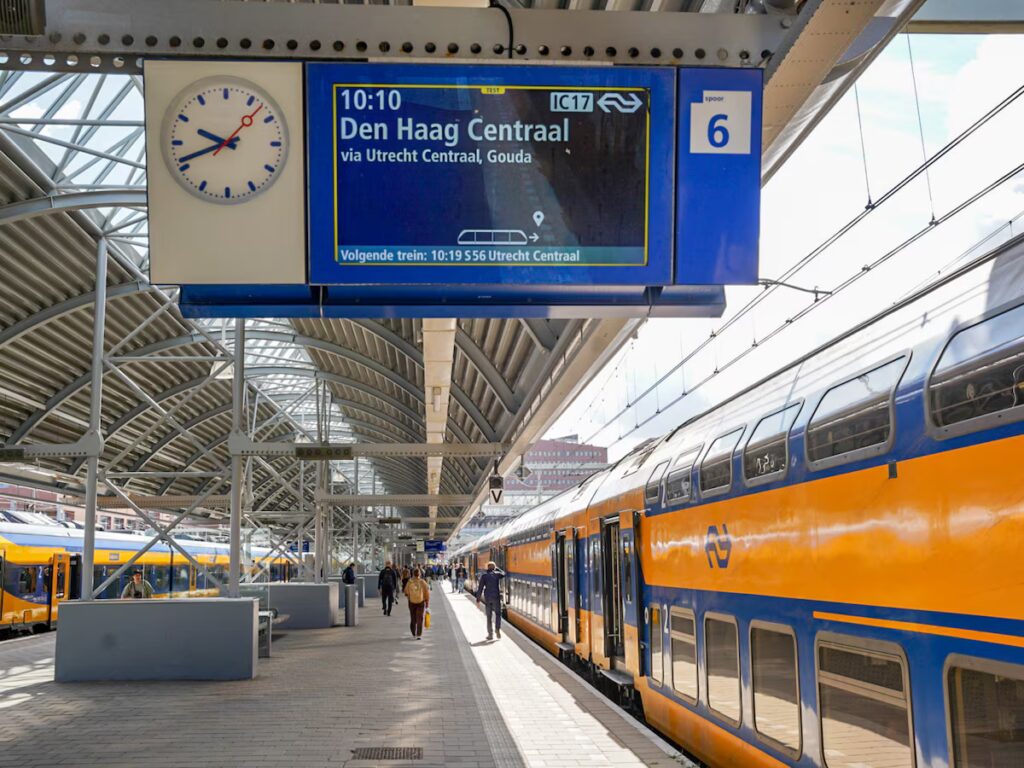
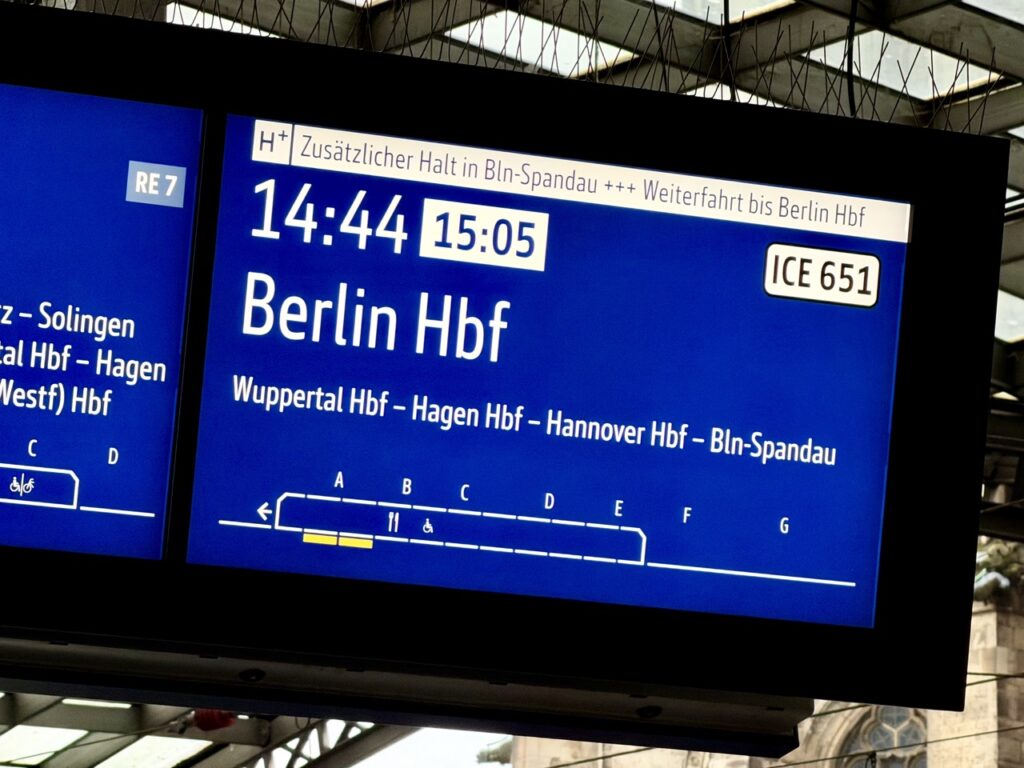
What’s notable is how simple this is compared to what other European railways have already done with the same idea. In Switzerland and Germany, numbering is a a product of how the network was designed. An S-Bahn line and an Intercity line are different customer propositions from the outset, specified by different parts of the business (often different commissioning authorities entirely), with their own rolling stock, stopping patterns and onboard services.
NS’s rollout, by contrast, is closer to the fact that they’re the same trains with the same operator on the same network – just giving them numbers. However, what this all throws into relief is a much bigger structural question that’s far more relevant to where Great Britain is heading.
GBR is integrating regionally – not by market
The direction of travel for Great British Railways is, broadly, regional integration – track and train coming back together under unified leadership, organised primarily around geography, with the old Network Rail routes forming the spine around which operators are being grouped. That’s a response to a seriously fragmented system, and nobody seriously disputes that the split between infrastructure and operations needs fixing in some way.
However, think about how this plays out in a European context. An ICE, an IC, an RE and an R service might all run over the same stretch of track, in the same region, sometimes operated by entities that sit under the same parent group – but the market that each one represents is completely distinct.
The RE isn’t a worse version of the ICE but it’s a different product, serving a different journey purpose, with its own stopping pattern, onboard proposition, and price point. A passenger boarding an RE knows roughly what they’re getting regardless of which region of Germany they’re in, because the RE brand travels with the service category.
If GBR organises itself primarily around regional teams – track and train integrated by geography – then there’s a real risk that what gets lost is exactly that kind of consistency across regions. A long-distance service from one GBR region might look and feel completely different to a long-distance service in the next region over, even though from a passenger’s point of view they’re buying the same kind of journey. Meanwhile, the stopping, all-stations local service in each region might have wildly different branding and service standards too.
What if we’d gone the other way?
What if, instead of regional integration, GBR had organised around market-based business units – separate identities and propositions defined by the type of service and not the geography it happens to run through?
Under that model, a passenger travelling from Berwick to Penzance and a passenger travelling from Dover to Carlisle would both know, broadly, what to expect, because they’re both buying into the same category of service. Same standard of train, same approach to ticketing, same on-board offer, same brand promise.
This is the logic behind the categorisation system I built into my GBR CIS generator tool a while back, as a thought experiment for what a market-led structure for UK rail services could look like:
- IX – International
- IC – Intercity
- IR – Interregional
- RE – Regional
- L – Local
- S – Sleeper
- C – Charter
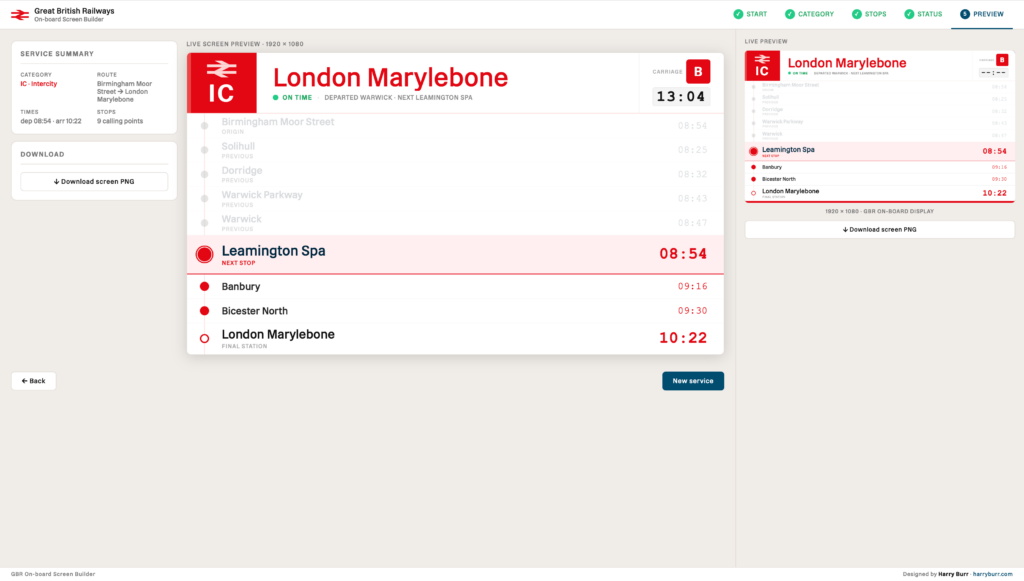
The point of that exercise wasn’t to suggest GBR should adopt Dutch or German style two-letter prefixes on departure boards tomorrow, but was more to show that these categories already broadly exist in the way services actually run – an Avanti West Coast service and a CrossCountry service are doing fundamentally different jobs to a stopping service on the same route – but they’re not reinforced by a national framework. Each operator invents its own version of “intercity” and “regional” branding and there’s therefore no shared baseline for what a passenger can expect.
Where this leaves line numbers
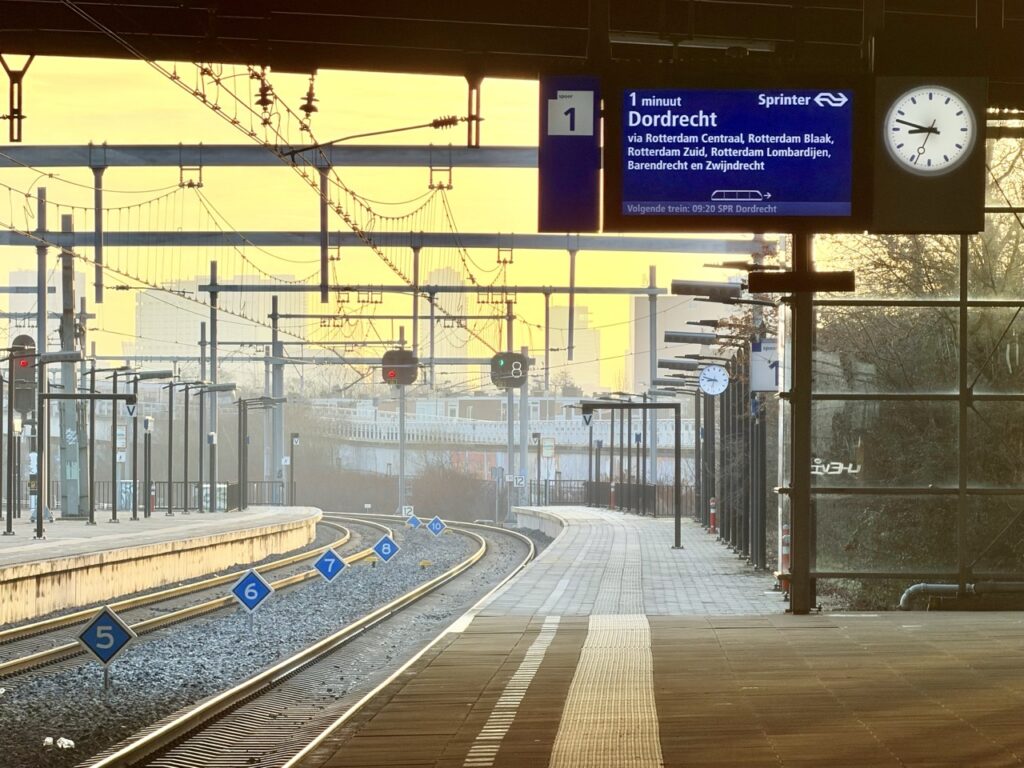
NS’s line numbers are a sensible step within a system that has already got the bigger structural question right. The Intercity/Sprinter split in the Netherlands is longstanding and the line numbers just make an existing structure more legible to passengers.
GBR doesn’t have that luxury yet. Before we get anywhere near the question of whether a future GBR network map needs line numbers, route colours, or anything else borrowed from Europe, we need to ask whether we are building the new organisation around the axis that actually matters to passengers?
Regional integration solves a real problem around accountability between track and train. But if it comes at the cost of any kind of market-led identity for the different types of journey GBR sells, we may end up with a network that’s better run but no easier for a passenger to understand than the one we’ve got now.
Maybe the honest answer is that GBR needs both: regional integration for delivery, with market-based propositions layered on top fo customer experience. NS gets to add line numbers onto an already-coherent system as a finishing touch, but GBR needs to sort the coherence out first.