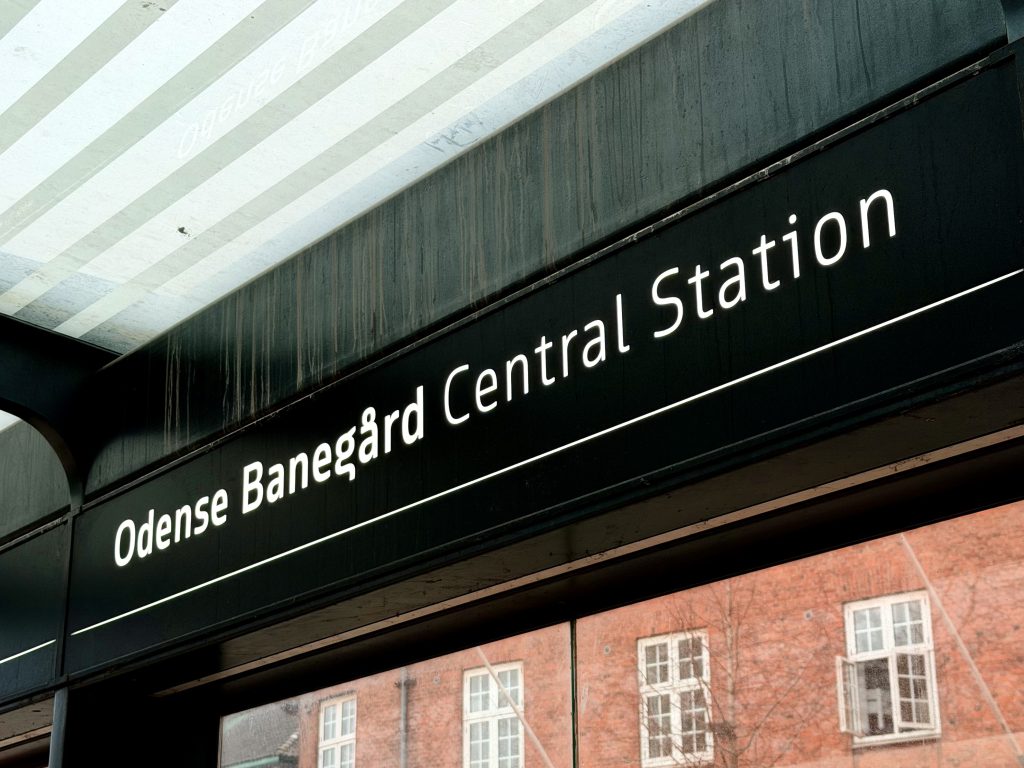
Ask ten people what makes a great city and you will get ten different answers. Nightlife, museums, food scenes, affordability, prestige. There is an almost universal assumption that the best cities are the ones that appear most often on Instagram feeds or airline magazines.
But over time, and after visiting a fair number of places, particularly on my current trip to Denmark, I have realised that the cities I enjoy most are not always the ones I am supposed to like. That is why I prefer Eindhoven to Copenhagen, and Lucerne to Zurich, and the list goes on. I have realised that my idea of a good city is shaped far more by experience than reputation.
This is very much a review of cities, not countries – for example, well-known Swiss attractions in the Alps, like the Gornergrat, are absolutely incredible, but here I am focusing on urban tourism.
Experience beats reputation
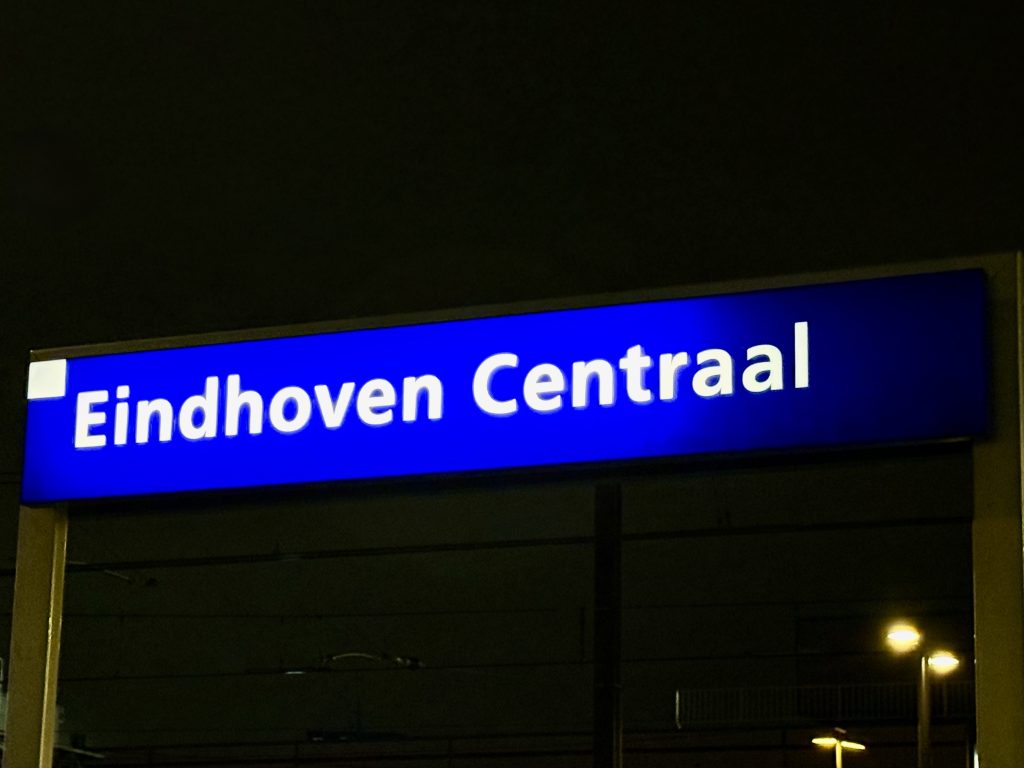
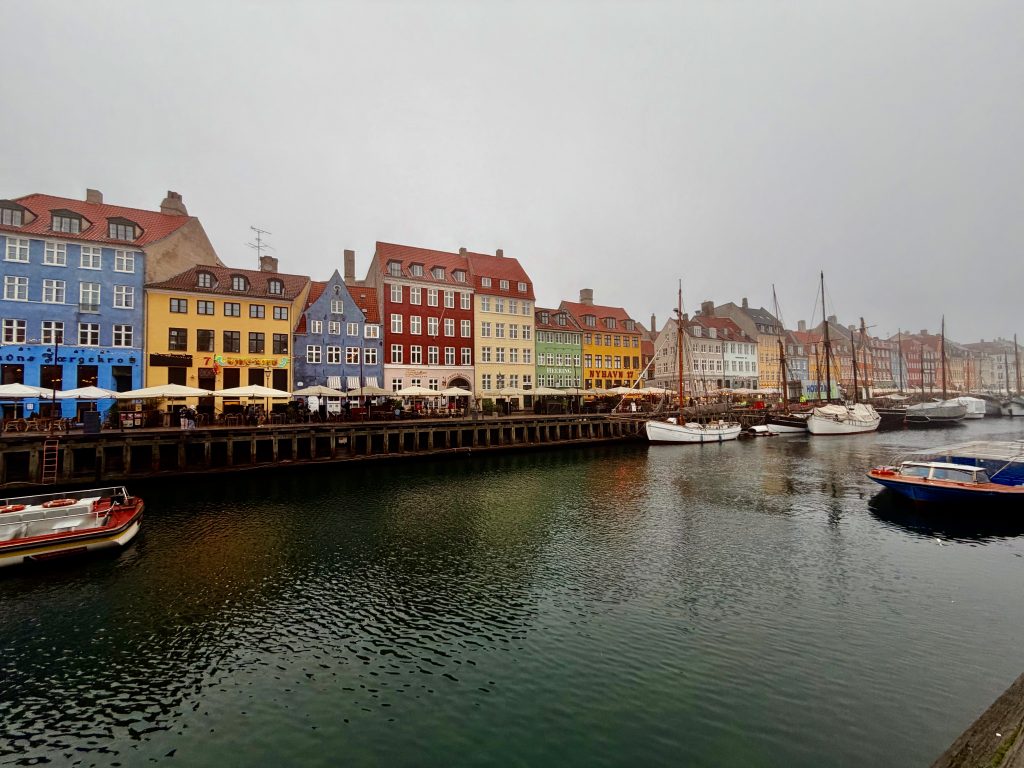
Copenhagen is obviously an impressive city. It is well-designed and, to note for this particular topic, endlessly praised. Yet Eindhoven, a city many people would barely put on a tourist map, feels more liveable to me. It is less performative and more relaxed, and it feels like I can exist there without constantly being reminded that I am in a world-class destination of some kind.
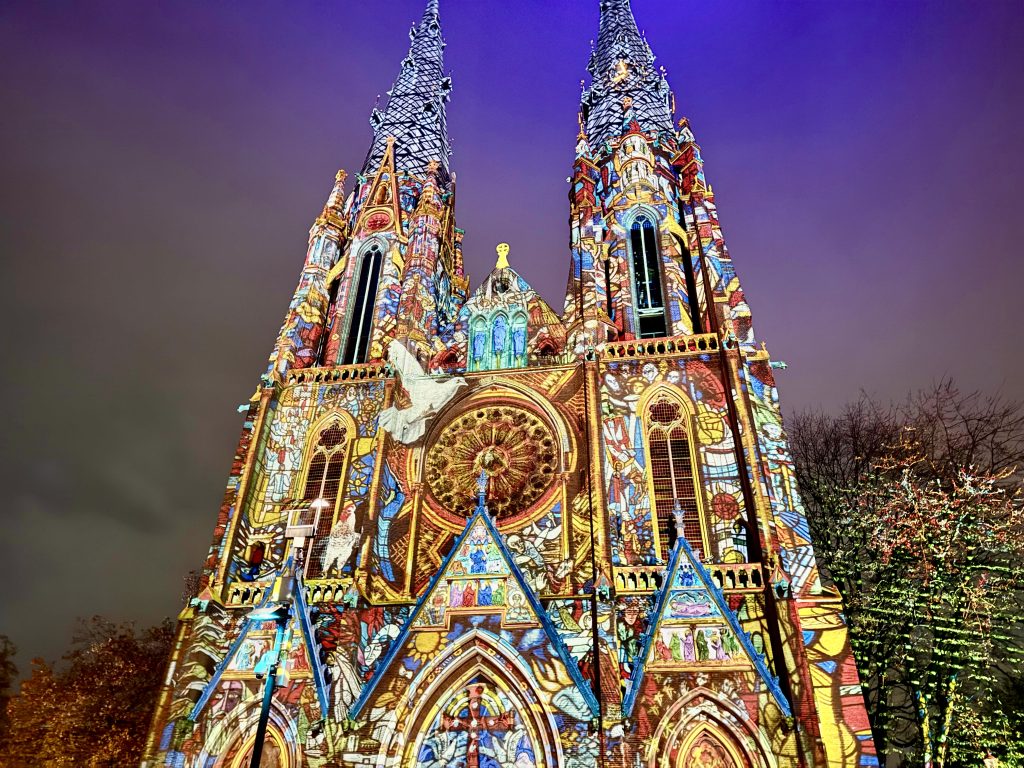
I visited during the city’s light show, and the experience felt very human, and most importantly, felt like I was part of the culture – people, the vast majority of which were Dutch locals, were out on the streets, walking and enjoying the installations together, which made the city feel alive and real.
The same applies in Switzerland. Zurich is wealthy and globally recognised. Lucerne, on the other hand, feels human. It moves at a much calmer pace, its historic centre feels more cohesive rather than showy, and it invites you to linger rather than rush. I remember how it felt to be there far more vividly than I remember ticking off attractions I read about on Google.
I like seeing, not doing
This is probably where my taste diverges from most. I am not especially motivated by things to do. I do not need a packed itinerary for just one city, or a checklist of experiences. I just like seeing a city, or indeed a few cities in a particular country.
Walking its streets and watching how people move through the space. Sitting on a bench near a station and watching the rhythm of arrivals and departures. Noticing how the city wakes up in the morning or quietens down in the evening. These moments tell me far more about a place than any attraction ever could.
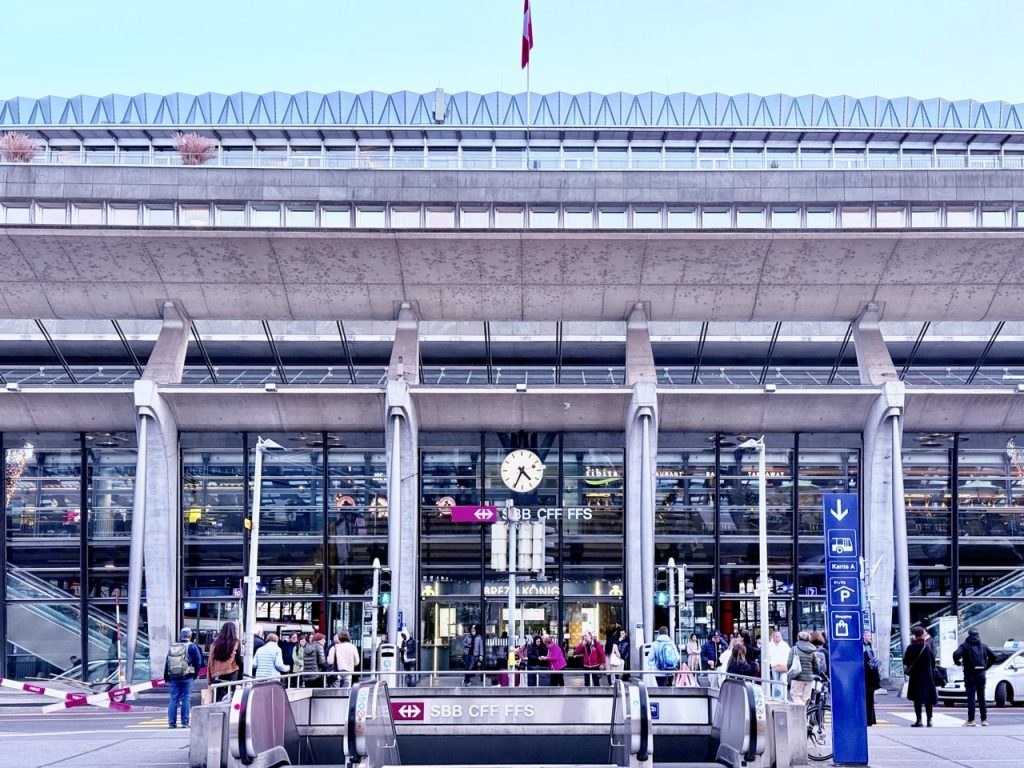
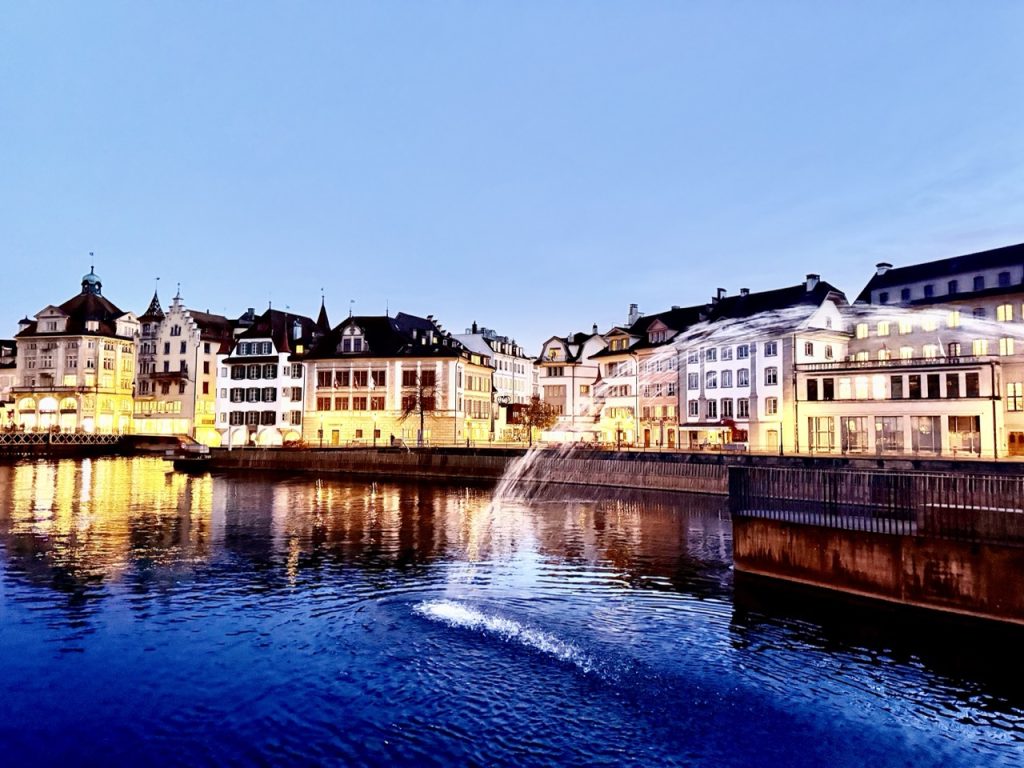
A good city, to me, is one that rewards curiosity rather than activity.
For me, its about convenience
One of the biggest factors in how I judge a city is convenience. Not just public transport maps and timetables, but how intuitive everything feels.
- Can I walk from the station into the city or to my hotel without thinking?
- Does the city centre feel legible just by walking around?
- Do I need to use Google Maps? (quality of which can be pretty poor in many European cities)
Cities that get this right quietly impress me far more than those with headline-grabbing landmarks. A reliable tram (or a free one in some cases!) and clear wayfinding will capture my attention more than a flashy monument ever could.
Sustainability and movement are important
This is the bit I know very much does not resonate a great deal with everyone, but it matters quite a lot to me.
How a city enables movement says everything about its priorities. Good public transport, sensible and dense rail connections, safe cycling and walkable streets are signals of intent for a place, showing whether a city is designed around people rather than metal boxes on wheels.
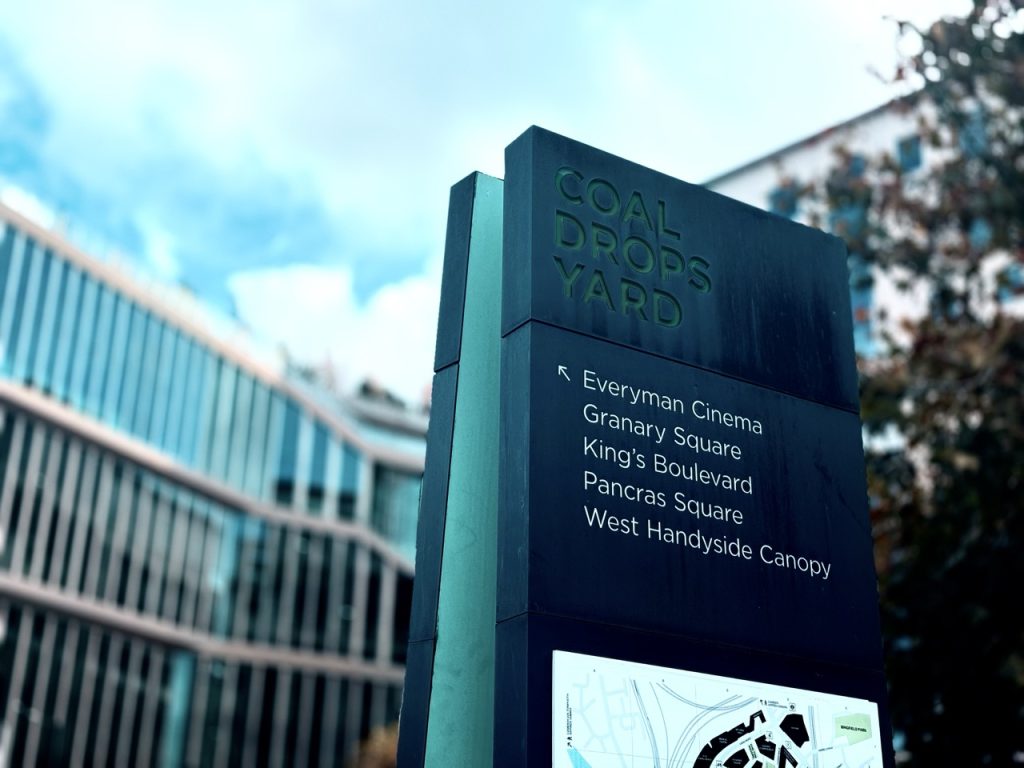
Green space matters too, not just large parks, but trees on streets, small squares, and the sense that nature has not been pushed away. Cities that feel sustainable and future-facing tend to feel calmer and healthier, in my eyes.
Sociability without trying too hard
Another underrated quality is sociability. Not nightlife, not bars that stay open until 4am, but the ease of human interaction.
- Are there places to sit without buying something?
- Do cafes (including local ones and branches) feel welcoming?
- Does the public realm encourage people to exist together?
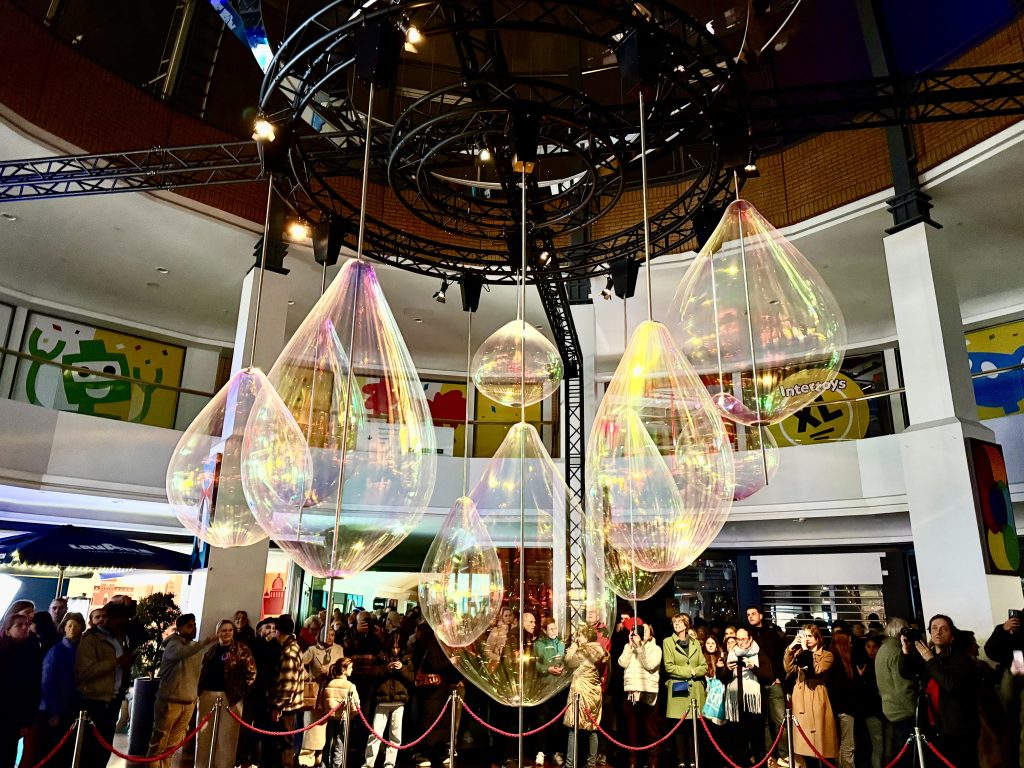
Some cities feel oddly lonely despite being busy. Others feel social without being loud. I tend to gravitate towards the latter.
Where people actually live
One of my favourite city experiences happened when I left Nijmegen’s already far from tourist-centric city centre and walked toward Nijmegen Lent. The route took me through a brand-new development that was modern, transit-oriented, and full of green space. Streets were pedestrianised, with bike paths and pedestrian routes towards the city centre seamlessly integrated. Housing felt designed for everyday life in the Netherlands rather than spectacle.
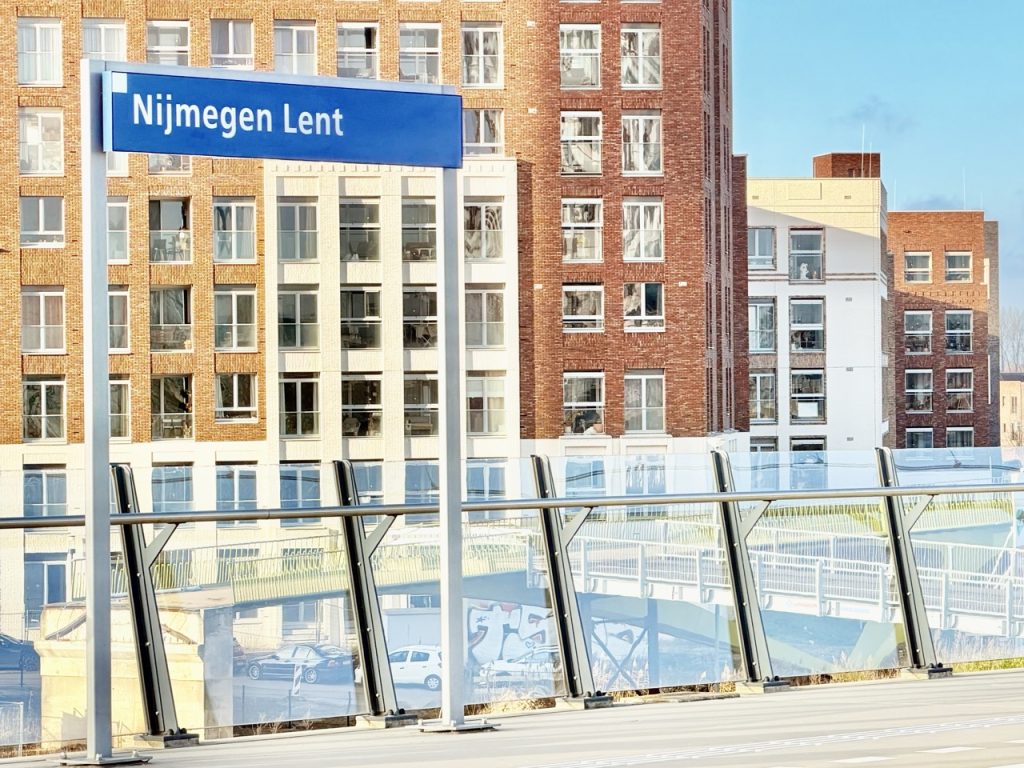
My point is that, walking through there, I could see how people actually live – the way children played safely near homes, how easy it was to move around without a car, the list goes on. It was quite a reminder that the most compelling parts of a city, in my view, are the spaces where life goes on for local people.
Architecture as space
I care far more about architecture than nightlife, but not in a postcard sense, and I am interested in how buildings shape daily life rather than how photogenic they are
- Does the architecture create streets you want to walk along?
- Is there a sense of coherence?
- Does old and new sit together well?
Bern’s arcades and Eindhoven’s modernist confidence, for example – cities that are confident enough not to shout all score highly for me here.
Maybe we need a different kind of city ranking
If I were to design a city ranking, it would not look like the usual ones. Instead of declaring winners, it would let you decide what matters.
Imagine a simple city scoring index with categories that you choose – each with adjustable weightings so no two cities are ever scored the same. For example, based on my city experiences, my most important categories would be:
- Convenience / legibility: how easy it is to navigate the city, find services, and move around confusion-free
- Public transport / walkability: the quality of walking routes, cycling paths, and public transport options
- Green space: the accessibility of parks, trees, and environmentally friendly infrastructure
- Sociability: how welcoming public spaces are, and whether they encourage people to connect and say hello
- Architecture and coherence: the visual harmony of buildings and streets, and how well old and new structures integrate
- Calm versus energy: the overall pace and atmosphere of the city, from relaxed to lively
- How quickly a city feels familiar: how easily you can orient yourself and feel at home in the environment
Slide the bands, and the “best” city changes instantly. Copenhagen might win for cycling and design. Eindhoven might climb when convenience and calm are prioritised. There would be no single correct answer, because there is no single correct city.
A city that works for you
In the end, a good city is not the one everyone talks about. Instead, it is the one that fits you.
For me, that is one where moving around feels easy, where the environment makes sense, and where I enjoy the experience of just being there.