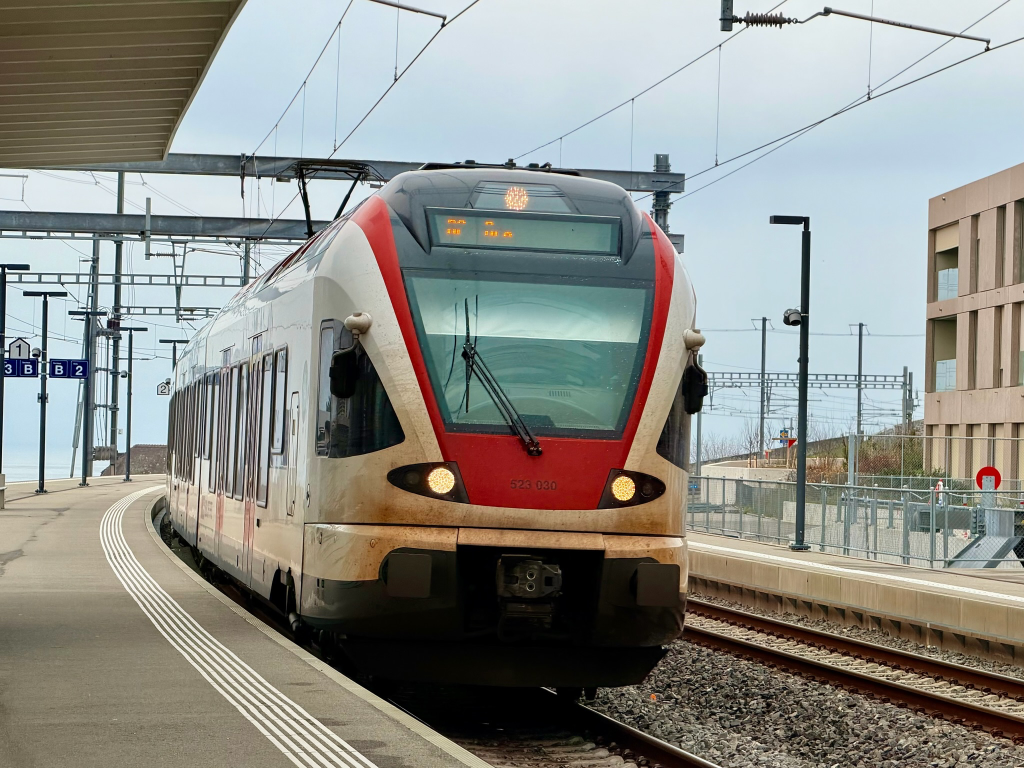
I’d technically been to Switzerland before – very briefly, as part of my Europe trip in November 2025. But this time was different. This time, I spent four full days there, and when you’re not just passing through, you really start to see how Switzerland does transport. It’s extraordinary.
One country with one integrated transport system
We flew into Genève, which feels like the perfect introduction to how joined-up everything is. The airport has its own railway station, and from there you’ve got regular, direct trains not just into the city, but across the entire country. Long-distance, regional and inter-city trains are all immediately accessible and super easy to understand.
That sense of integration runs through everything – trains, buses, trams, boats, funiculars, gondolas, cable cars, the list goes on – it’s all treated as one system, not a collection of separate networks. The SBB app is pretty much the glue that holds it together. Journey planning, tickets, travelcards, reservations, tracking and disruption is all in one place, across all operators and modes.
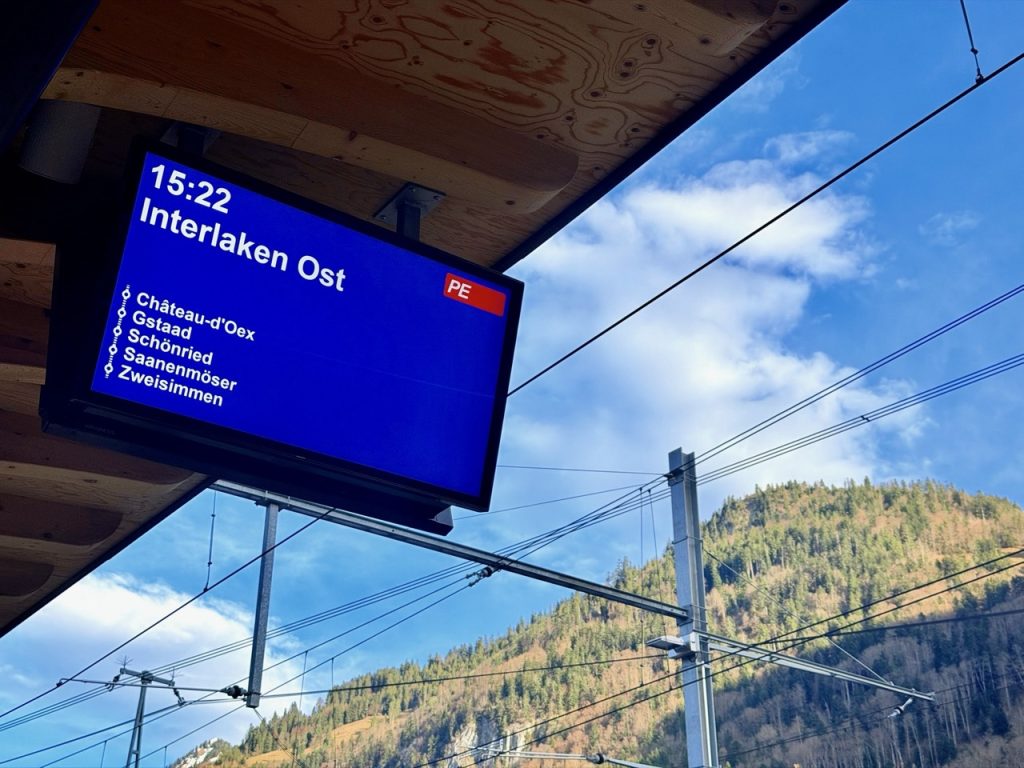
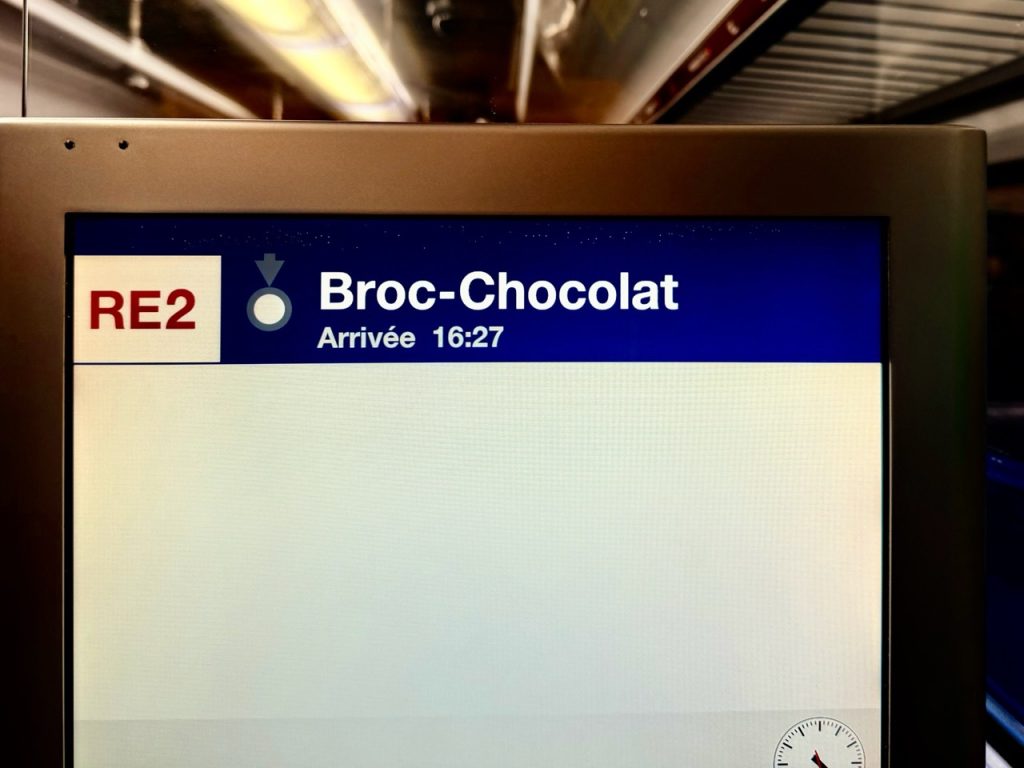
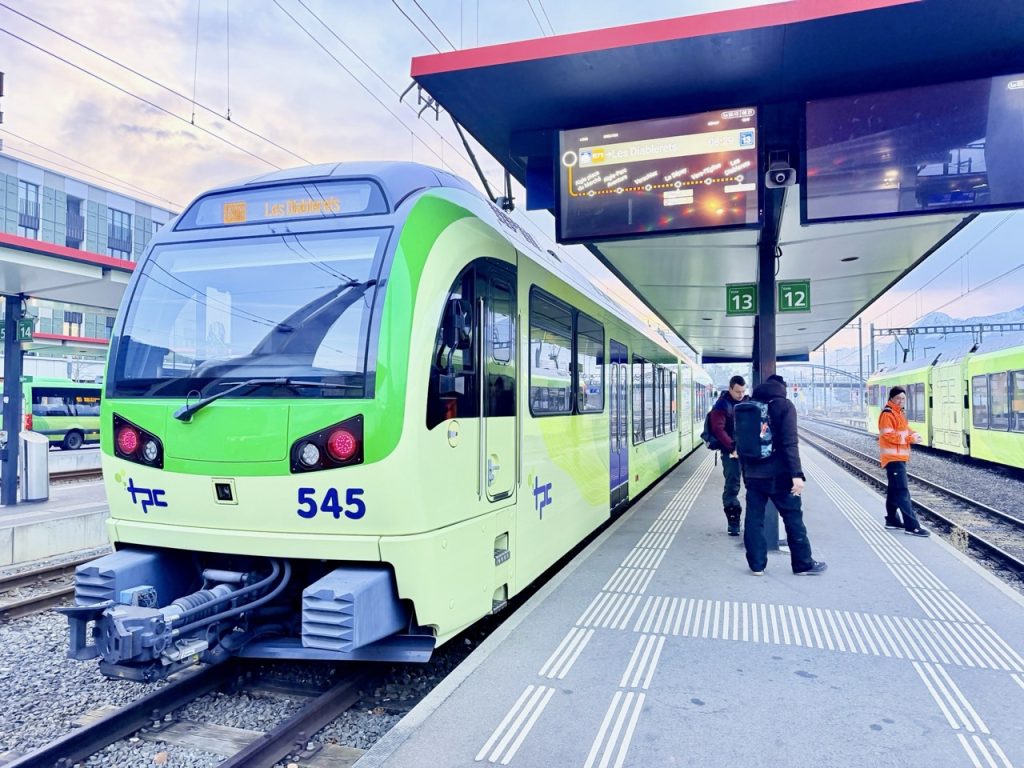
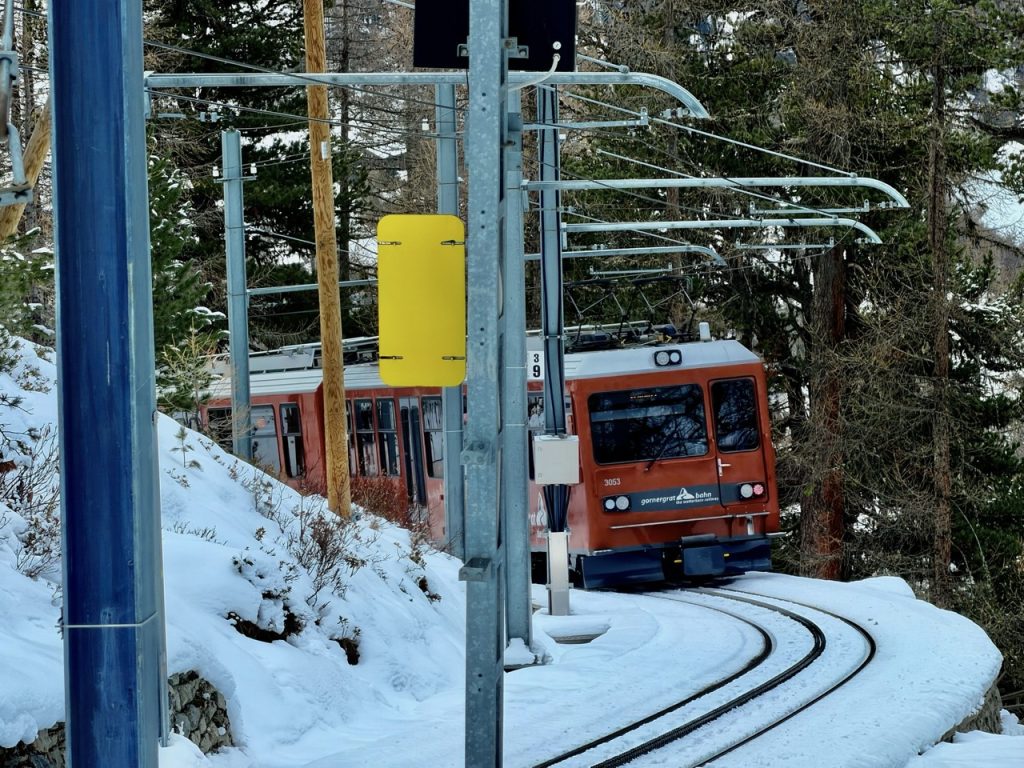
What really elevates it, though, is how closely the app is mirrored by what you see on the ground. Customer information is everywhere and incredibly consistent. Screens at stations look the same whether you’re in a major hub or a small mountain stop. On-board displays follow the same logic and design. Service numbering, platform information and connections are all standardised across operators, which makes the whole system feel coherent and quite well connected with each other.
The best example of this was at the top of Gornergrat. Surrounded by snow and mountains, we could plan our entire journey to Zurich – from the Gornergrat Bahn, to regional and intercity trains, across different operators and modes – and then just buy it (not for us though – we were travelling on FIP and an Interrail pass). The same information on my phone was reflected on the screens around me. From the top of a mountain. Very hard to overstate how seamless that feels.
Trust, simplicity, and cities that work
What really struck me is the amount of trust built into the Swiss system – again, across modes. Stations don’t feel like gated-off zones you have to pass through but they feel like part of the city itself. In Zurich, we walked out of our hotel and more or less wandered onto the platform without even knowing it, which feels slightly unbelievable.
That same trust underpins urban transport too. We spent time on the Lausanne Métro – Switzerland’s only metro which has two lines – M1 and M2 – and it’s a brilliant example of simplicity done well, with no ticket gates, uncluttered stations, very clear passenger information, and a straightforward, frequent service pattern.
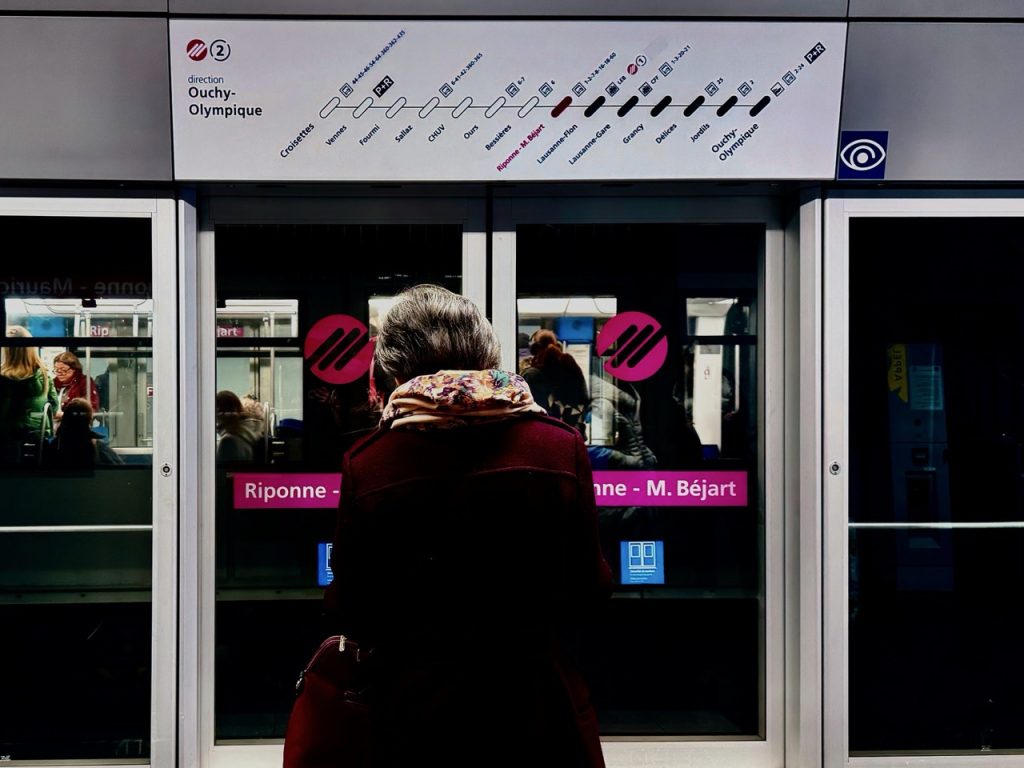
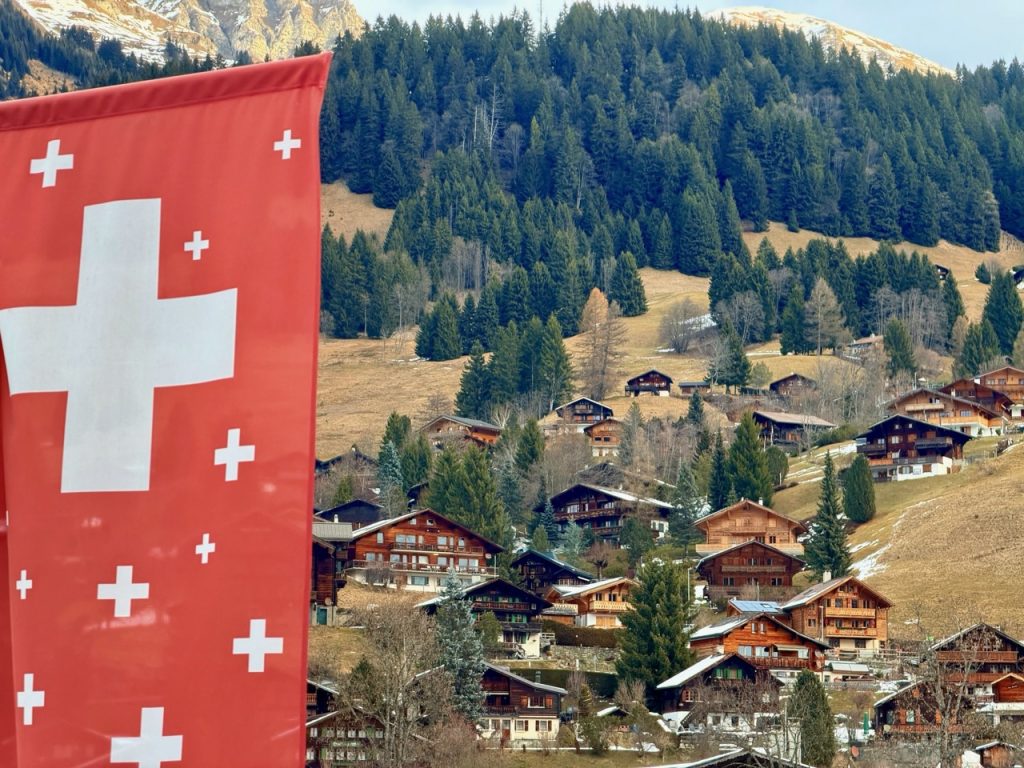
Speaking of Lausanne – in Lausanne, as well as Geneva, all our local public transport was free as hotel guests. Each hotel provided a local transport pass, funded in part by the city tax we paid, and it meant we could use buses, trams, the metro and other auxillary modes without thinking about tickets at all. For visitors, it quietly nudges people towards public transport as the default, which is great.
Trains you can rely on (and understand)
Like in The Netherlands, which I discussed in another blog post recently, Swiss trains are clearly categorised, and passengers genuinely understand what those categories mean. EC, IC, IR, RE, R – each one tells you what sort of service you’re boarding, and that classification is used consistently across operators, timetables, screens and announcements. It’s a small thing but it massively boosts confidence, especially for people who don’t use the system often (including visitors!)
The trains themselves are clean, modern, and extremely well-used. Lots of double-deck stock too! One IC1 service we took was running with something like 18 double-deck coaches – off-peak – and it was still full and standing. Says a lot about how central rail travel is to everyday life in Switzerland!
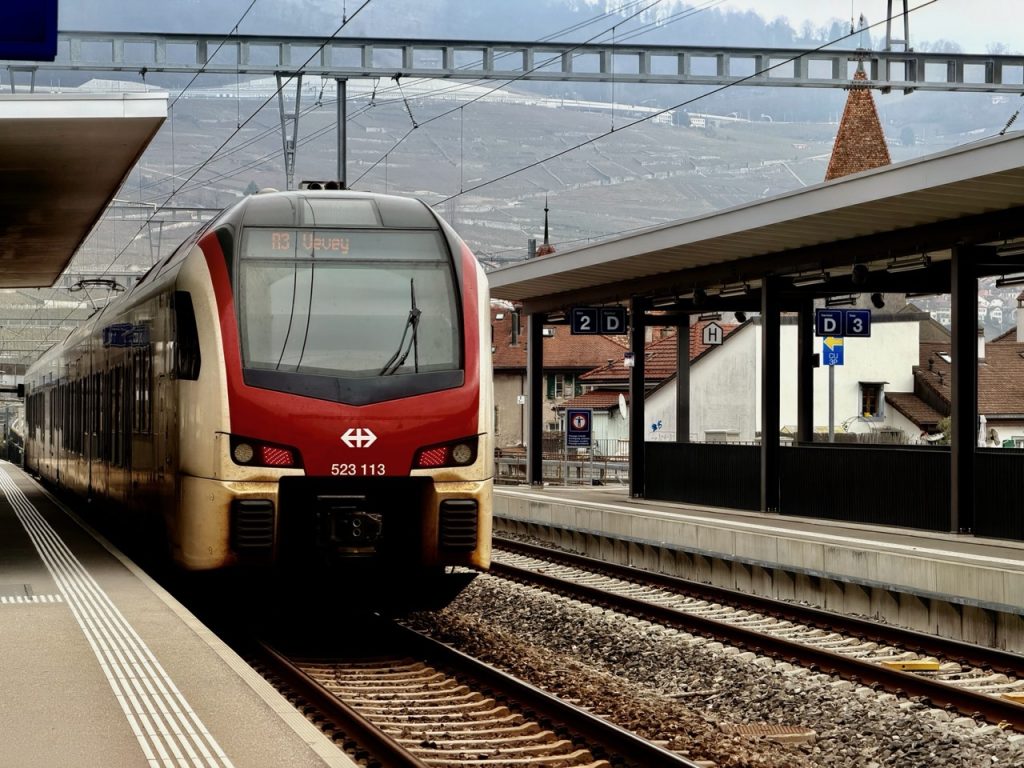
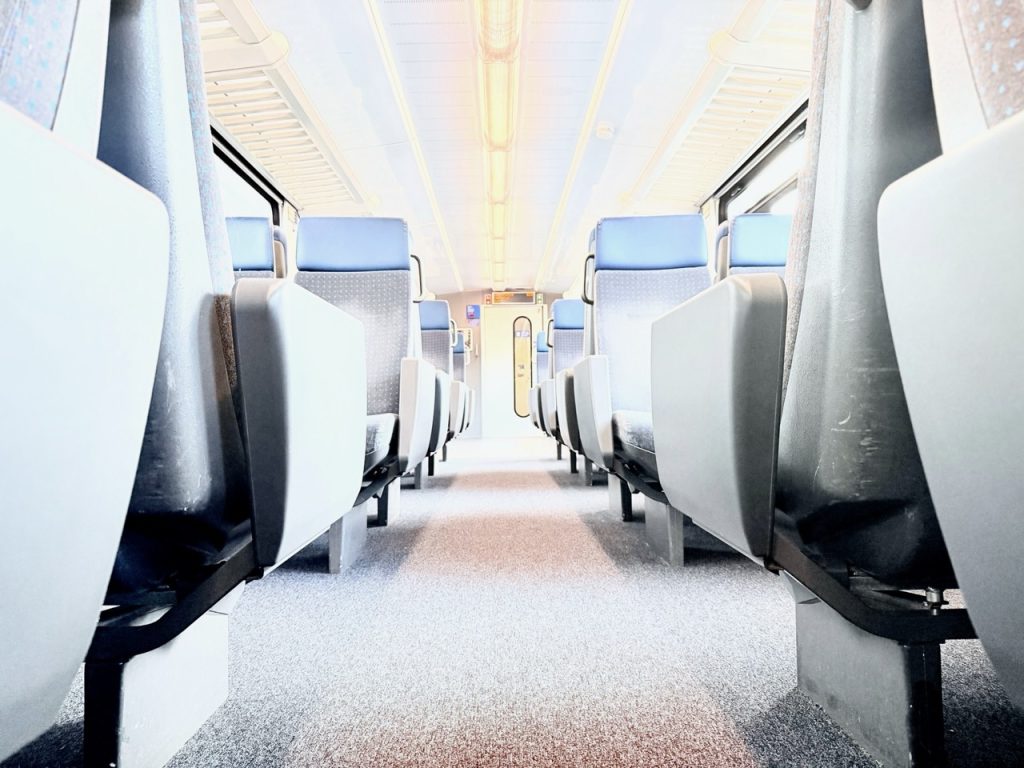


Frequencies are excellent, connections are tightly timed but reliable, and every mode feels designed to link neatly into the next – whether that’s a train to a boat, a bus to a cable car, or a tram to a mainline service. And at every step, the information is reassuringly familiar.
And that’s the word I’d pick to describe Swiss transport, actually. It’s familiar. Across all modes, all operators, all regions, all cities. You know what you’re getting, you know where you’re getting it (don’t get me started on the density of the rail network particularly), and you know how much you’ll pay. I could go on and on, but I’ll stop here.
If you want a trip where transport isn’t just a way of getting around, but part of the experience, go to Switzerland. It’s amazing.